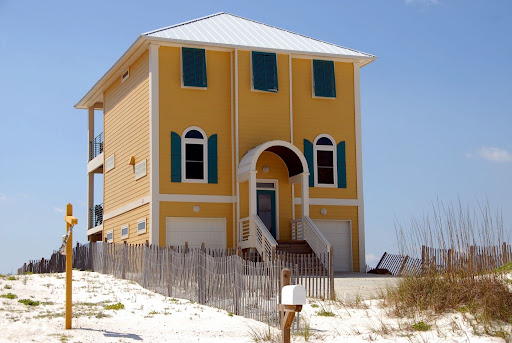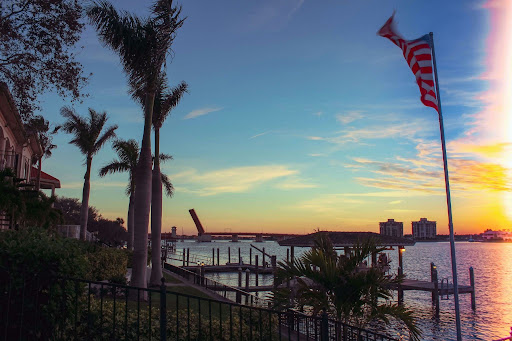
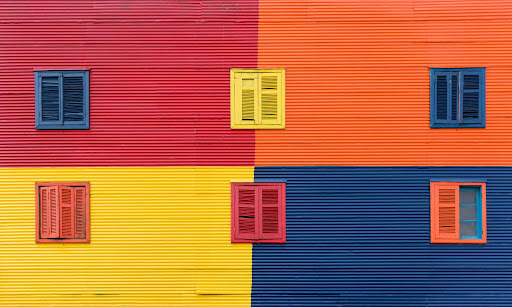
Hurricane shutters do a job first and look a certain way second, but that second part matters more than most homeowners expect. The right color choice can pull a home’s whole exterior together, while the wrong one sits on the house like an afterthought.
Since shutters are one of the more visible, semi-permanent additions to a home’s facade, it’s worth spending a few minutes on color before the order goes in, not after.
Why Color Is Part of the Decision, Not Just an Afterthought
Storm shutters stay up for years, and on styles like accordion, colonial, and Bahama shutters, they’re visible whether they’re deployed or stacked at the sides of the window. That means the color decision affects curb appeal every single day, not just during a storm.
A shade that clashes with the stucco or trim is easy to notice from the street, and it’s one of those details that can quietly work against a home’s resale value even when the shutters themselves are excellent quality.
The good news is that shutter color has become a real design category, not a limited afterthought bolted onto a functional product. Homeowners now treat it the same way they’d treat a front door color or a roof shingle shade: as a chance to reinforce a look they already have in mind.
Classic Color Options by Shutter Type
1. Accordion and Roll-Down Shutters
These two styles are the workhorses of storm protection, and their color range tends to have four standard tones: white, ivory, beige, and bronze. That’s a deliberate limitation rather than a gap. Because accordion and roll-down panels are aluminum and manufactured in bulk, sticking to a tight palette keeps lead times reasonable, and the powder-coat finish holds up better over years of sun and salty air exposure.
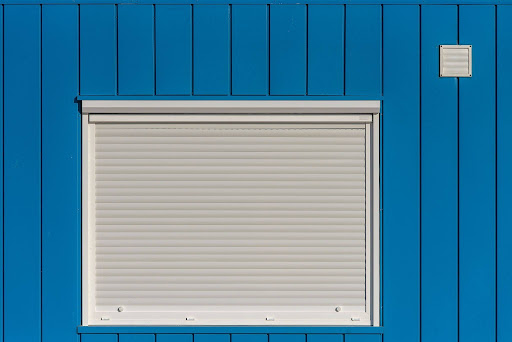
White and ivory are the most requested, mainly because they read as neutral against almost any exterior color and don’t draw much attention when the panels are stacked open.
Beige works well on homes with warm-toned stucco or brick accents, since it blends rather than contrasts.
Bronze has become the go-to for anyone who wants the shutters to read as an intentional design feature rather than a purely functional add-on. It pairs especially well with darker trim, black hardware, or a home that already leans modern.
2. Bahama and Colonial Shutters
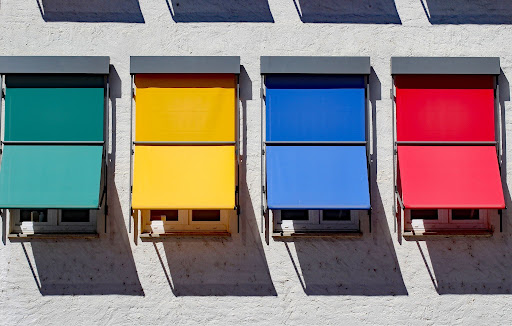
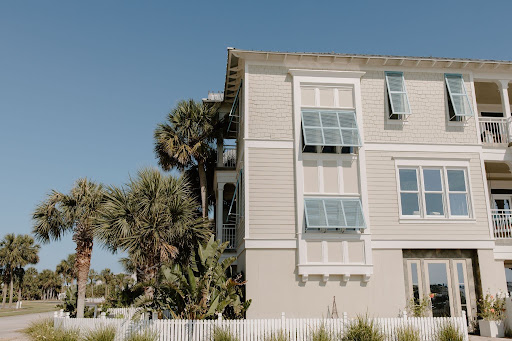
Bahama and colonial shutters open up a wider palette. Since these are permanently mounted and fully visible year-round, most homeowners treat them more like an architectural feature than a piece of storm equipment, which is why custom colors are common. Bahama shutters in particular lean into a coastal look, with soft blues, sage greens, and warm corals often showing up on homes near the water.
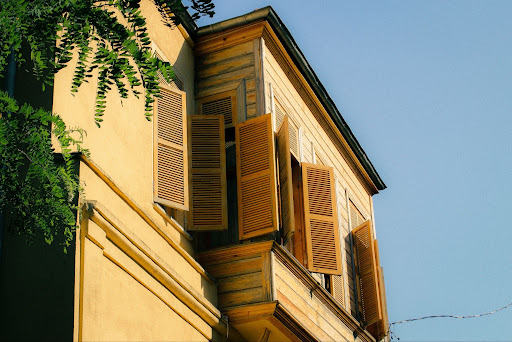
Colonial shutters, styled after traditional hinged designs, tend to stay in a more restrained lane: navy, forest green, black, and classic bronze all show up regularly on Colonial, Georgian, and Cape Cod-style homes.
Popular Color Combinations
White shutters on a neutral or pastel exterior remain the safest, most resale-friendly combination. It’s the pairing that shows up most often in real estate listings for a reason: it reads as clean and timeless, and it rarely fights with a future buyer’s taste.
Bronze or dark shutters against a white or light stucco home create contrast without going bold. This combination has gained momentum over the past few years alongside the broader shift toward black window frames and dark hardware.
Shutters color-matched to the front door or trim tie the whole facade together. If the front door is already a statement color, echoing it in the shutters (even just the Bahama or colonial style near the entry) makes the color choice look planned rather than incidental.
Coastal-toned Bahama shutters on a cream or white home lean into the island aesthetic that’s common along the coast: soft aqua, seafoam, or coral against a light base color. This combination is particularly popular on canal-front and waterfront properties.
Matching Shutter Style and Color to Your Home’s Architecture
Color decisions tend to work best when they follow the shutter style that already fits the house, rather than the other way around.
- Coastal cottages with airy, light-colored exteriors tend to pair well with Bahama and Bermuda shutters in soft, sun-friendly tones.
- Colonial, Georgian, and Cape Cod homes favor colonial shutters in restrained colors like black, navy, or bronze that reinforce their symmetry.
- Contemporary and Mediterranean-style homes often look best with accordion or roll-down shutters in bronze or a matching neutral, since the panels stay tucked to the side and shouldn’t compete with the home’s cleaner lines.
A Few Practical Considerations Before You Choose
- Check HOA rules first. Many communities restrict shutter colors to a short approved list, especially for street-facing elevations. It’s worth a quick call before falling in love with a shade.
- Ask about the finish, not just the color. A quality powder coat resists fading from sun and salt exposure far better than a basic paint finish, which matters most with darker colors that show fading more visibly than white or ivory.
- View a sample against the actual house. Color swatches look different indoors under a screen than they do outdoors in full sun. A physical sample panel held against the exterior in daylight is the only reliable way to judge the pairing.
Whatever direction feels right, color shouldn’t come at the expense of protection. The Shutters239 team can walk through color and finish options for accordion, roll-down, Bahama, and colonial shutters side by side, so the final choice looks good and performs how it’s supposed to when the next storm rolls in.